
The Norse sagas represent one of the most remarkable literary achievements of medieval Europe. Written primarily in Iceland between the 12th and 15th centuries, these sweeping prose narratives chronicle the lives, conflicts, pilgrimages, and mythologies of early Scandinavian settlers. Unlike the highly stylized and romanticized literature prevalent in much of medieval Europe, the sagas are characterized by a stark, pragmatic prose that mirrors the unforgiving environment of the North Atlantic. Understanding these texts is fundamental for any serious analysis of early medieval Nordic society.
The Oral Tradition and the Transition to Text
Long before the first ink touched vellum, the foundation of the sagas existed within a robust oral tradition. During the Viking Age, historical events, genealogies, and legal precedents were memorized and recited by chieftains, poets, and law-speakers. These oral accounts served as the societal glue for a culture deeply invested in reputation, lineage, and the strict observance of customary law.
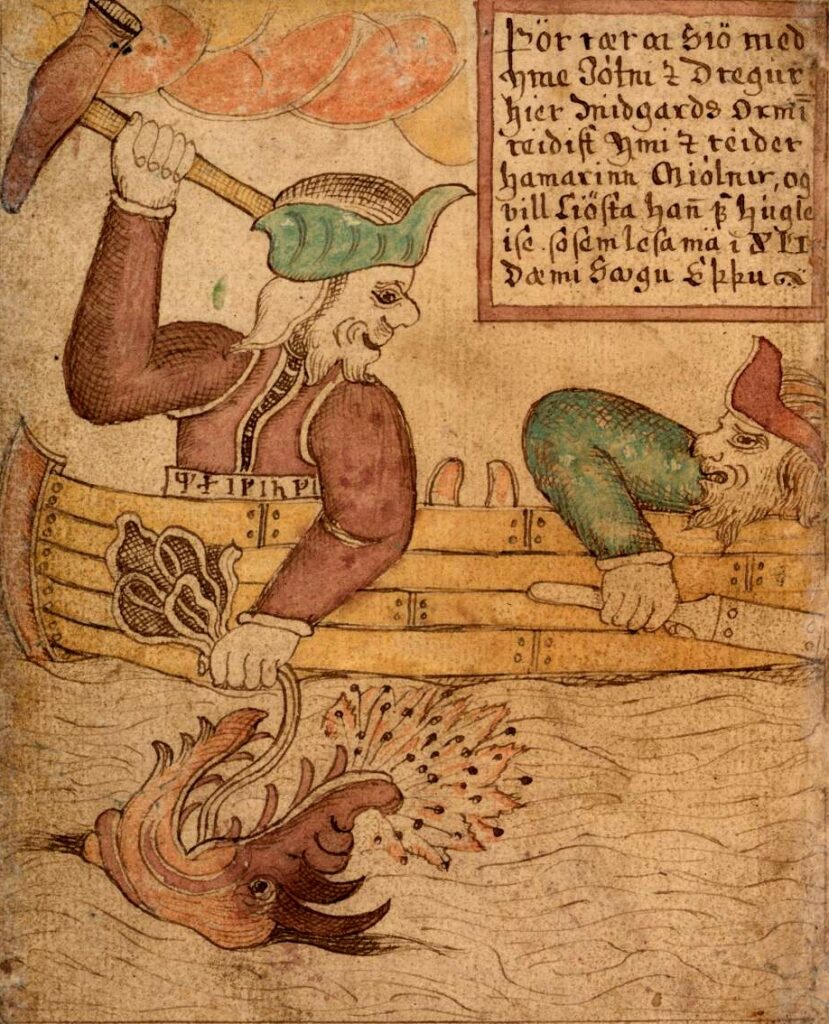
The transition from spoken word to written manuscript occurred several centuries later, following the Christianization of Scandinavia and the subsequent introduction of the Latin alphabet. Icelandic scholars and Christian clerics began the monumental task of transcribing these generational memories. By utilizing the written Old Norse language, scribes meticulously recorded the tales onto expensive calfskin vellum. Today, the preservation and study of these fragile, foundational documents are spearheaded by institutions like the Árni Magnússon Institute for Icelandic Studies, which houses some of the most critical surviving medieval manuscripts.
The Categorization of the Sagas
To effectively study the sagas, historians categorize them into distinct subgenres based on their subject matter, temporal setting, and level of historical realism. While numerous minor classifications exist, the vast majority of these texts fall into three primary categories.
One of the most persistent academic debates surrounding the Norse sagas is the question of their historicity. Because these narratives were committed to parchment hundreds of years after the events they describe, they cannot be treated as infallible historical records. Scribes inevitably infused the texts with the cultural, religious, and political biases of their own contemporary 13th and 14th-century environments.
However, to dismiss the sagas as pure fiction is equally reductive. Archaeological excavations continue to validate many of the geographical claims and societal structures detailed in the texts. For instance, the sagas’ descriptions of Norse exploration into North America were widely debated until physical evidence was uncovered at L’Anse aux Meadows in Newfoundland. Researchers studying the history of the Viking Age use the sagas not as absolute truth, but as a critical, albeit filtered, lens through which to view the socio-political realities of early medieval Scandinavia.
The Enduring Cultural Impact
The Norse sagas offer an unparalleled window into the psychological and cultural framework of a society navigating extreme landscapes and rapid sociopolitical shifts. They document a world where honor was paramount, the law was violently enforced, and fate was inescapable. By bridging the gap between historical chronicle and literary masterpiece, the sagas remain an indispensable resource for understanding the complexities of the Nordic past.
