Ragnarok, translating roughly to “Fate of the Gods” or “Twilight of the Gods,” stands as the defining apocalyptic event in Norse mythology. Unlike many eschatological traditions that frame the end of the world as a definitive moral judgment or a battle where good triumphantly vanquishes evil, the Norse apocalypse is a predestined, unavoidable cosmic collapse. It reflects the deeply fatalistic worldview held by early medieval Scandinavians, a society that believed even their divine beings were bound by inescapable destiny and the relentless forces of nature.
The Fimbulwinter and Societal Collapse
Before the physical destruction of the cosmos occurs, Ragnarok is preceded by Fimbulwinter, a relentless three-year winter without any intervening summers. This climatic catastrophe serves as the catalyst for a total breakdown of human morality and societal order. The mythological texts describe a period where fratricide, greed, and broken oaths become rampant. For an early medieval Scandinavian society deeply dependent on agriculture and bound by strict legal codes of honor, this era of endless winter and social betrayal represented the ultimate, terrifying violation of the natural order.
The Cosmic Battle and the Fall of the Gods
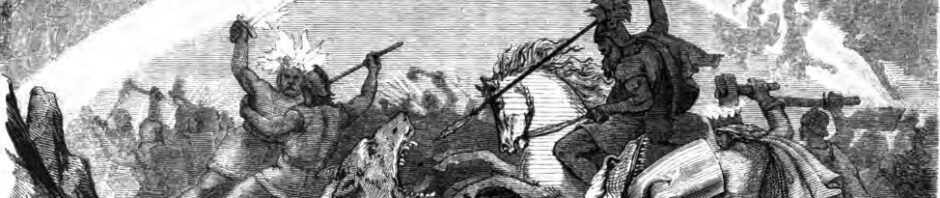
The climax of Ragnarok is a massive, chaotic battle on the field of Vígríðr. The forces of order face off against the forces of chaos, which include the jötnar (giants), the fire demon Surtr, and the monstrous offspring of Loki. To understand the fatalistic nature of Nordic paganism, one must note that the gods march into this battle fully aware that they will lose. The conflicts are highly specific, and mutual assured destruction is the consistent outcome for the major deities.
Following the death of the primary Norse deities, the giant Surtr engulfs the world in flames, and the scorched earth sinks beneath the boiling sea. However, Ragnarok is not the absolute end of existence. The surviving texts describe a cyclical cosmology where the earth eventually rises from the water, green, purified, and fertile. A new generation of surviving gods, including Baldr and Höðr, return to the reformed world. Concurrently, two human survivors, Líf and Lífþrasir, emerge from the sanctuary of a mystical wood to repopulate the earth.
Historical Context and Christian Influence
When analyzing Ragnarok historically, scholars must continually grapple with the biases of the surviving manuscripts. The most detailed accounts of this apocalypse are found in the Poetic Edda and Snorri Sturluson’s Prose Edda, compiled in Iceland during the 13th century. Because these texts were written over two centuries after the widespread Christianization of Scandinavia, academic institutions such as the University of Oxford’s Old Norse research department frequently debate the text’s authenticity. Historians analyze how much of the rebirth narrative was influenced by Christian ideals of resurrection and a new Eden, versus an older, authentic pagan belief in cyclical time. Ultimately, Ragnarok serves as a profound historical reflection of a society that understood chaos and death as inevitable, yet deeply valued the courage to face it without fear.
