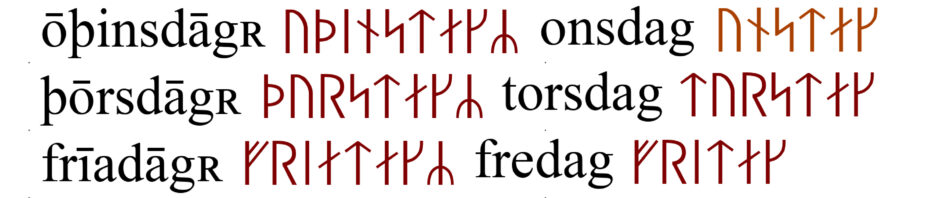
The expansion of early medieval Scandinavian populations across Northern Europe left a lasting mark on the geopolitics and languages of the Western world. The vocabulary of the Viking Age was highly pragmatic. It reflected a society deeply connected to maritime travel, agriculture, and strict legal traditions. The Norse empire eventually fractured. Thousands of its foundational words infiltrated the lexicons of conquered territories, taking root within the English language.
The Linguistic Imprint of the Danelaw
The profound linguistic crossover between the Old Norse language and Old English occurred between the ninth and eleventh centuries. This integration happened during the establishment of the Danelaw in Britain. Both tongues shared Germanic roots. They were structurally similar and mutually intelligible. Norse settlers transitioned from seasonal raiders to permanent agrarian residents. Their vocabulary naturally merged with local Anglo-Saxon dialects.
The Norman Conquest introduced French terminology to the upper echelons of aristocracy. The Norse influence was strictly grassroots. The incoming vocabulary consisted of practical, functional terms used by farmers, sailors, and craftsmen. A comprehensive linguistic breakdown of this historical integration from the Oxford English Dictionary archives provides extensive analysis on how Norse loanwords systematically replaced their Anglo-Saxon equivalents.
Foundational Vocabulary in Daily Life
The most enduring Old Norse loanwords are those associated with fundamental human experiences, environmental conditions, and basic anatomy. The integration was seamless. Modern speakers rarely recognize the Scandinavian origins of their frequently utilized vocabulary.
Legal and Societal Terminology
Old Norse heavily influenced the vocabulary of governance and social order. Early medieval Scandinavia was a highly litigious society bound by strict oral codes and regional assemblies. Norse settlers established their own territories abroad. They instituted their own judicial frameworks.
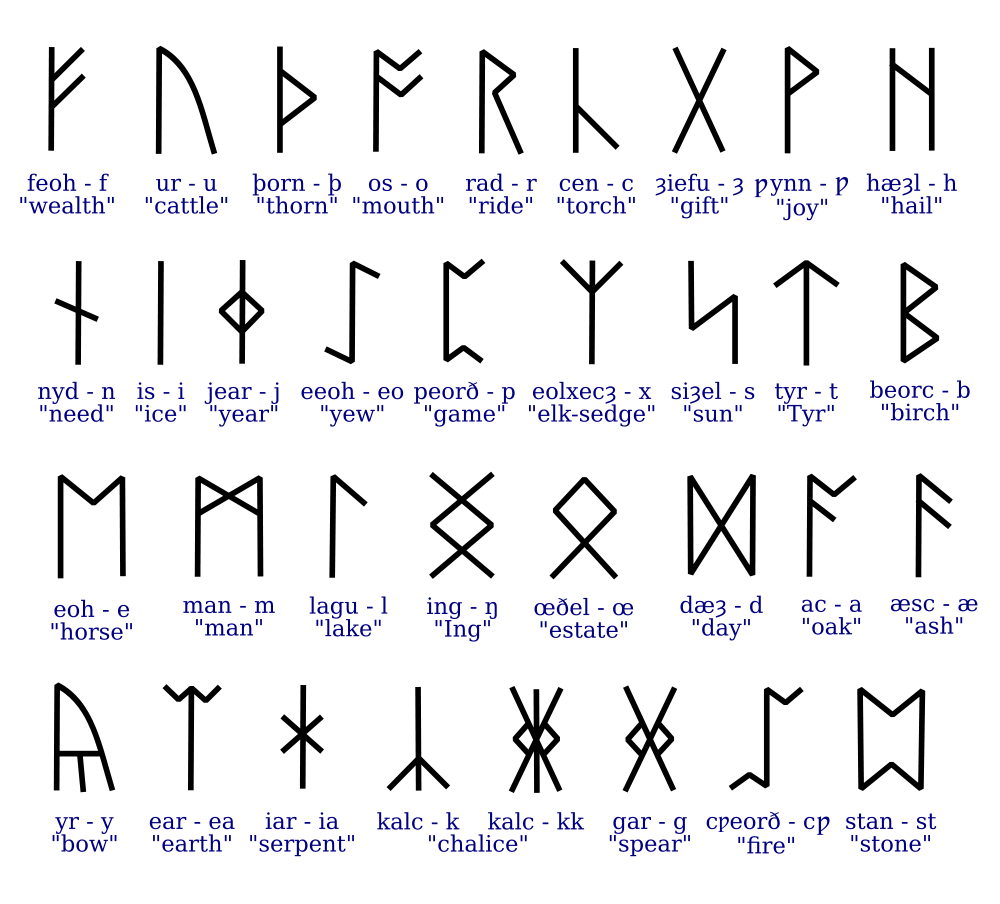
The English word “law” directly descends from the Old Norse term lagu. This term steadily replaced the Anglo-Saxon equivalent æ. Concepts such as the “outlaw” (útlagi)—a severe legal status stripping a person of all societal protections—became embedded into regional legal systems. Researchers studying the broader societal structures of early Scandinavia highlight this legal vocabulary as evidence of the highly organized nature of Norse expansion.
The surviving vocabulary of the Norse people serves as a living archaeological record. By analyzing the etymology of these common terms, historians can reconstruct the priorities and domestic realities of early medieval Scandinavia without ever lifting a trowel.
