To study the early medieval history of Scandinavia is to inevitably encounter the language that carried its people across the known world. Old Norse was a North Germanic language spoken by the inhabitants of Scandinavia and their overseas settlements from roughly the 9th to the 13th centuries. Far from being a crude dialect of raiders, it was a highly sophisticated language capable of complex poetry, intricate legal codes, and sweeping historical sagas. Understanding the language is essential for decoding the cultural, religious, and societal frameworks of the period.
The Linguistic Origins and Evolution
Old Norse did not emerge in a vacuum; it evolved from an earlier linguistic phase known as Proto-Norse, which was spoken throughout Scandinavia during the Iron Age. The transition from Proto-Norse to Old Norse occurred between the 6th and 8th centuries, a period characterized by rapid linguistic changes known as syncope. During this phase, many unstressed vowels were dropped, resulting in shorter, more clipped words.
This linguistic compression gave Old Norse its distinct, punchy rhythm, which proved highly effective for both spoken communication and the composition of skaldic poetry. By the dawn of the Viking Age in the late 8th century, the language had stabilized into the form that would be carried outward on longships.
The Geographic Spread and Major Dialects
As the Norse people expanded their maritime reach through trade, exploration, and conquest, their language fractured into distinct regional dialects. While these dialects were mutually intelligible during the Viking Age, they laid the groundwork for the distinct modern languages of Northern Europe.
Historians and linguists generally divide the language into three primary dialectical branches based on geographic concentration and phonetic variations.
| Dialect | Geographic Region | Modern Descendants |
|---|---|---|
| Old West Norse | Norway, Iceland, Greenland, and settlements in Ireland and Scotland. | Icelandic, Faroese, and Norwegian. |
| Old East Norse | Denmark, Sweden, and settlements in the Kievan Rus’ and Eastern Europe. | Danish and Swedish. |
| Old Gutnish | The island of Gotland in the Baltic Sea. | Modern Gutnish (a dialect of Swedish). |
Because Iceland was settled primarily by Norwegians who maintained a strong oral and eventually written tradition, Old West Norse became the dominant dialect preserved in the historical record. The vast majority of surviving sagas and mythological texts are written in this specific branch.
The Written Record: Runes and Manuscripts
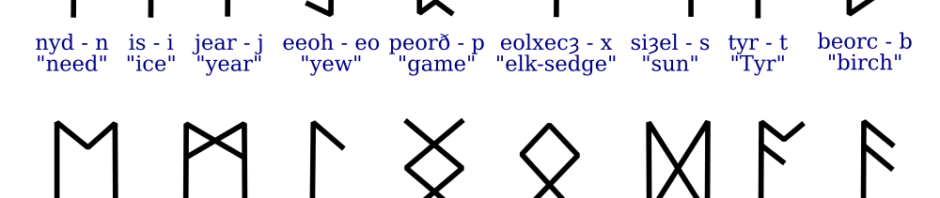
For most of its existence, Old Norse was primarily an oral language. When it was written down, early Scandinavians used the Younger Futhark, a runic alphabet specifically adapted to the phonetic shifts of the syncope period. Comprising only 16 characters, the Younger Futhark required users to employ single runes for multiple sounds. Runic inscriptions were typically carved into stone, wood, or bone, serving as memorials, declarations of ownership, or magical charms.
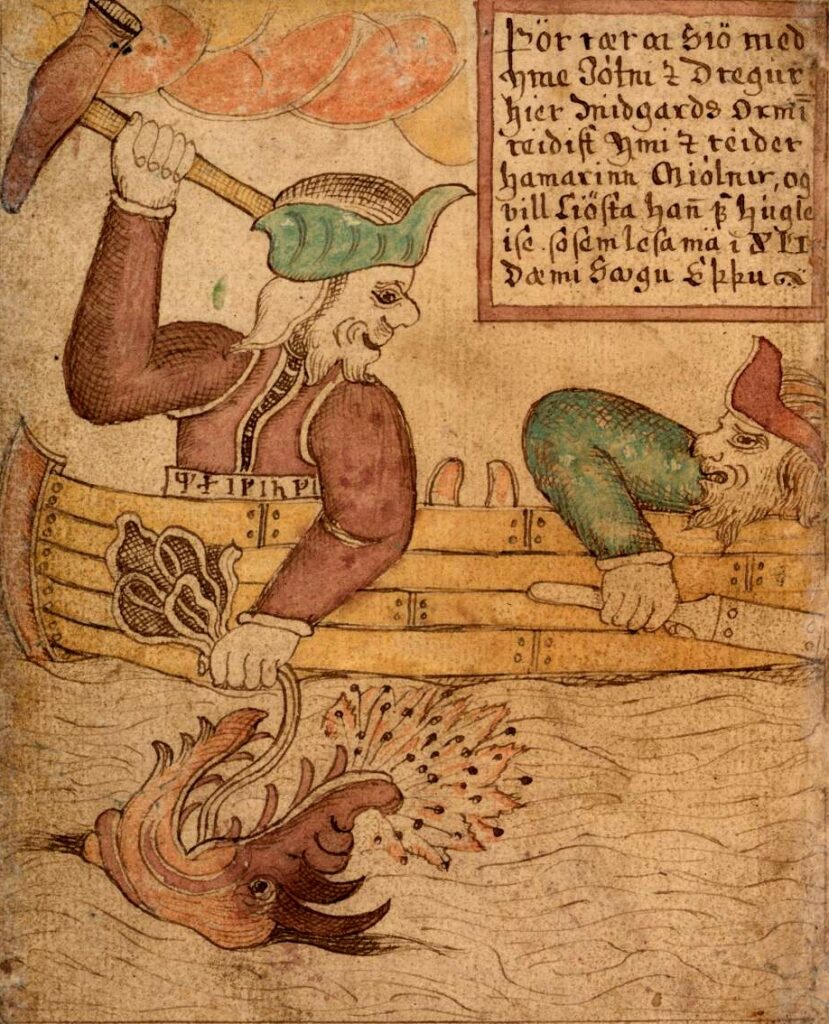
The written landscape shifted dramatically with the arrival of Christianity. The integration of the church introduced the Latin alphabet and parchment to Scandinavia. By the 12th century, Christian scholars and native scribes began documenting the oral histories, laws, and Viking Age daily life using this new medium. For a deeper academic exploration of these surviving texts and their translation, institutions like the University College London’s Scandinavian Studies department provide extensive linguistic resources.
The Lasting Legacy of the Norse Tongue
The influence of Old Norse extended far beyond the geographic borders of Scandinavia. In regions subjected to Norse settlement, particularly the Danelaw in England, the language heavily impacted the local dialects. Modern English contains hundreds of fundamental loanwords directly inherited from Old Norse, including everyday terms like sky, knife, window, egg, and law.
By the late 14th century, further regional isolation and political shifts caused Old Norse to gradually fracture into the distinct North Germanic languages spoken today. However, thanks to the meticulous preservation of texts by Icelandic scribes and the enduring presence of Norse loanwords in global languages, the voice of the Viking Age remains a vital, echoing presence in the modern world.
