
Popular contemporary culture frequently reimagines the pantheon of early medieval Scandinavia as colorful superheroes. However, stripping away this modern fiction reveals a complex and deeply ingrained belief system. The deities of the North were not distant, benevolent figures, but rather pragmatic, often flawed beings who mirrored the harsh realities of their environment. Among the extensive roster of deities, three figures consistently dominated the religious landscape: Odin, Thor, and Freyja. Understanding these primary deities provides essential insight into the cultural and societal values of the era.
Odin: The All-Father and Seeker of Wisdom
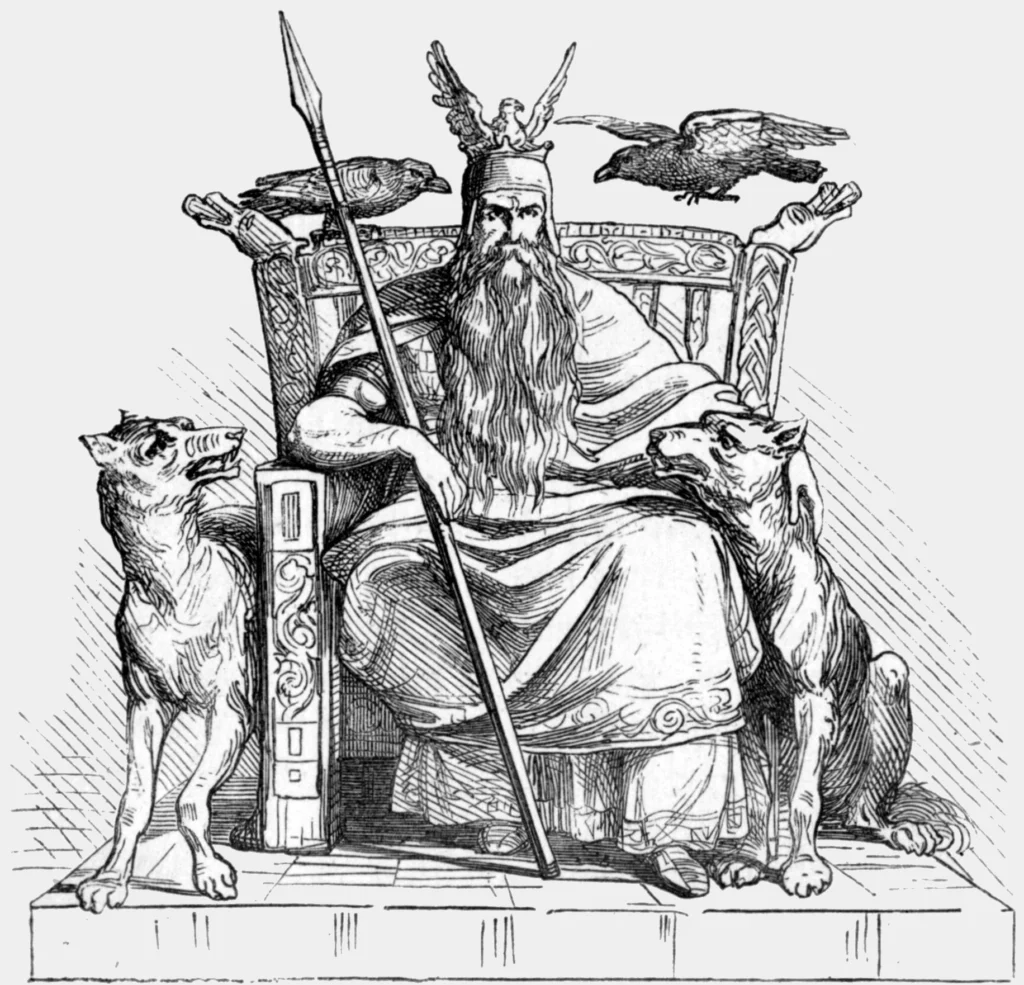
Often characterized as the chief of the Æsir, Odin (Óðinn) was a multifaceted deity associated with war, poetry, runic alphabets, and magic. Unlike the conventional archetype of a purely martial ruler, Odin was defined by his relentless, sometimes ruthless, pursuit of knowledge. He famously sacrificed his own eye at the well of Mímir to attain cosmic wisdom and hung himself from the world tree, Yggdrasil, to decipher the secret of the runes.
Historically, Odin was primarily venerated by the elite classes, such as jarls and kings, as well as poets and outlaws. His hall, Valhalla, was reserved for a select portion of warriors who died valiantly in battle, reflecting the aristocratic obsession with martial glory, lineage, and legacy.
Thor: The Protector of Midgard
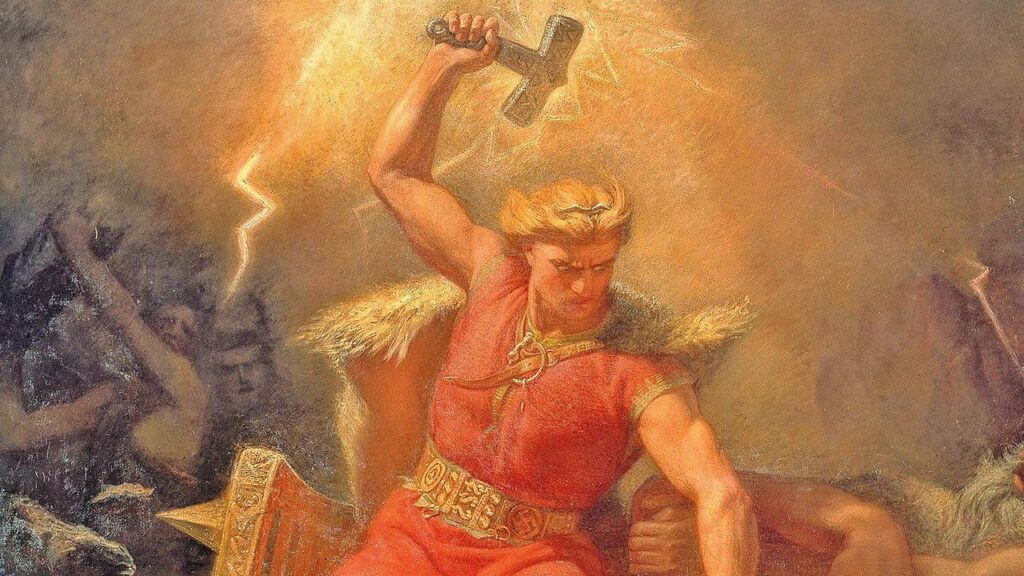
While Odin was the god of the aristocracy, Thor (Þórr) was the undisputed champion of the common people. Armed with his legendary hammer, Mjölnir, Thor served as the primary defender of both gods and humanity against the chaotic forces of the jötnar (giants). Beyond his martial prowess, Thor held absolute dominion over storms, thunder, and weather, making him an indispensable figure for a society heavily reliant on agriculture.
When examining Viking Age daily life, it becomes evident that the success of the harvest was paramount, and farmers actively sought Thor’s favor to ensure favorable weather and protect their crops. Consequently, archaeological excavations frequently uncover Mjölnir pendants, underscoring his widespread popularity and practical importance across all strata of society.
Freyja: The Goddess of Love, Fertility, and War
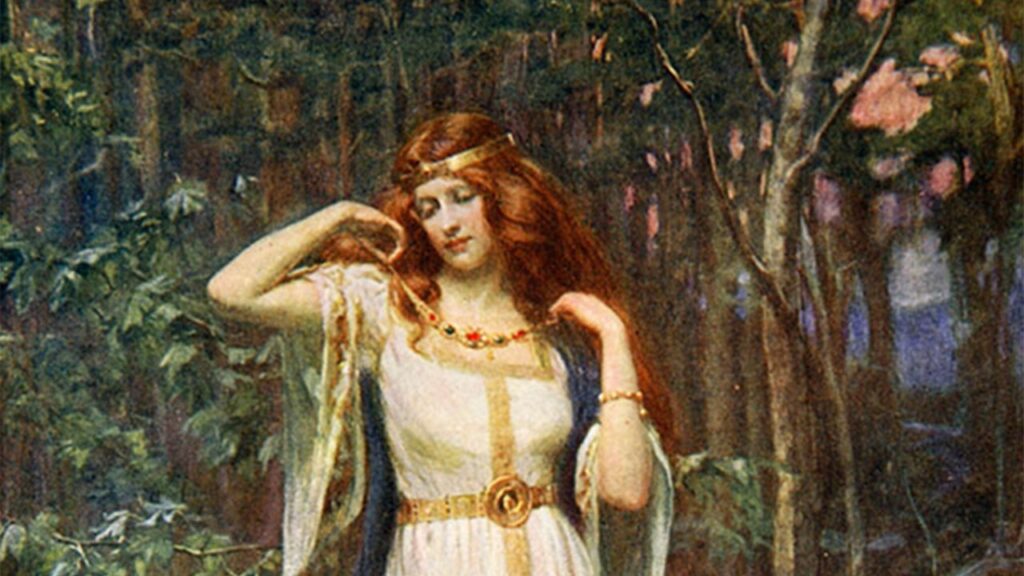
Freyja occupied a unique and highly revered position within the pantheon. Originally belonging to the Vanir—a distinct tribe of gods associated with nature and fertility—she integrated with the Æsir following a mythological war between the two factions. Freyja governed over domains of love, beauty, and fertility, making her crucial for matters of childbirth and agrarian abundance.
However, her influence extended far beyond domestic concerns. She was a master of seiðr, a powerful form of Norse magic, and possessed a formidable martial aspect. According to Norse mythology, Freyja claimed the first half of all warriors slain on the battlefield for her own heavenly field, Fólkvangr, leaving the remainder for Odin. This duality made her a figure of both immense creative and destructive power.
The Pantheon in Viking Age Society
To fully grasp the religious dynamics of the period, it is helpful to categorize the distinct roles and societal connections of these primary deities. The division of divine labor directly correlated with the stratified nature of early medieval Scandinavian society.
| Deity | Primary Domains | Primary Societal Worshippers |
|---|---|---|
| Odin | Wisdom, war, poetry, runic magic, aristocracy. | Jarls, chieftains, poets, and elite warriors. |
| Thor | Protection, storms, agriculture, physical strength. | Karls, farmers, craftsmen, and the general populace. |
| Freyja | Fertility, love, seiðr (magic), death in battle. | Women, those seeking fertility, and diverse warriors. |
The veneration of Odin, Thor, and Freyja was not merely a spiritual exercise, but a highly practical framework through which the Norse people understood and navigated their world. These deities provided explanations for natural phenomena, justified the rigid social hierarchy, and offered a sense of protection against the unforgiving elements of the North. Ultimately, the survival and prosperity of the society depended on maintaining a delicate balance of favor with these powerful, multifaceted figures.
