Norse mythology was not about a simple binary of good versus evil. The surviving texts depict a universe populated by distinct tribes of beings constantly vying for survival, dominance, and cosmic balance. Early Scandinavians lived in a harsh, unpredictable environment, and their mythology directly mirrored this reality. The supernatural inhabitants of this worldview—ranging from the ruling deities to elemental giants and world-breaking monsters—served as avatars for the brutal forces of nature and the unavoidable cycles of destruction.
The Jötnar: Forces of Primordial Chaos
Modern translations often reduce the jötnar to the English word “giants,” which creates a misleading image of oversized humanoids. In the original Old Norse context, the jötnar were ancient, elemental entities representing the chaotic, untamed forces of nature. They predated the gods and inhabited Jötunheimr, a wild, hostile territory positioned against the ordered sanctuary of Asgard.
The relationship between the gods and the jötnar was deeply complicated. They were sworn enemies destined to destroy each other, yet they constantly intermarried. Many primary deities, including Thor and Odin, possessed jötunn ancestry. This constant exchange between order and chaos reflects historical Norse mythological beliefs, where nature was an adversary that humans needed to respect, negotiate with, and occasionally fight to survive.
Monstrous Offspring and Cosmic Threats
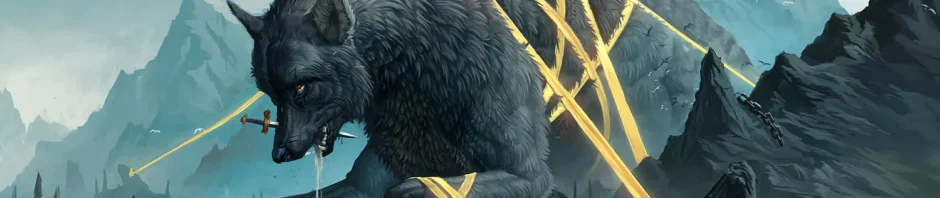
Beyond the humanoid figures of gods and giants, the historical record features a roster of terrifying, apocalyptic beasts. The trickster figure Loki famously fathered three of the most devastating creatures in the Norse canon: the Midgard Serpent (Jörmungandr), the great wolf Fenrir, and the ruler of the underworld, Hel.
The gods recognized the physical threat these creatures posed to cosmic stability and attempted to contain them through binding or banishment. These attempts proved futile. The mythological timeline dictates that these monsters eventually break their bonds during the Norse end of the world, triggering the final collapse of the universe. The inclusion of these beasts highlights the severe fatalism of the early medieval period. Survival was temporary, and destruction was an inescapable law of existence.
Categorizing the Mythological Ecosystem
To properly study the surviving literature, historians classify these supernatural beings based on their function within the cosmological hierarchy:
| Classification | Cosmological Role | Notable Examples |
|---|---|---|
| Æsir and Vanir | The ruling tribes of gods governing warfare, society, agriculture, and order. | Odin, Thor, Freyja, Freyr, and Tyr. |
| Jötnar | Primordial beings representing chaotic, destructive, and untamed natural forces. | Surtr, Skadi, Ymir, and Thrym. |
| Legendary Beasts | Monstrous entities destined to physically destroy the gods and the world. | Fenrir (the wolf), Jörmungandr (the serpent), and Níðhöggr (the dragon). |
The creatures of early Scandinavian myth served a highly practical function beyond mere storytelling. They provided an explanatory framework for devastating natural disasters, the harsh changing of the seasons, and the inescapable reality of death. Analyzing these figures offers a clear perspective on how the Norse people processed the unpredictable and often violent world around them. The monsters were not simply evil antagonists to be easily defeated; they were fundamental pillars of the cosmos. Ultimately, the Norse respected and feared these chaotic forces just as much as they worshipped the gods who fought against them.
