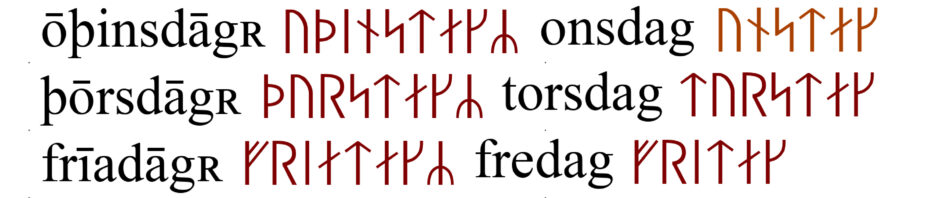
English speakers use Norse words every single day. Viking settlers arrived in Britain during the ninth century and brought their native Old Norse language with them. This arrival forced a massive linguistic collision. Old English and Old Norse shared a Germanic origin, giving them a similar basic framework. Neighbors could often comprehend each other without formal translation. This mutual intelligibility led to a natural blending of vocabularies over several centuries.
The Impact of the Danelaw
In 865 AD, a massive Scandinavian army landed in England. They fought local kings and eventually signed a treaty that split the country. This treaty created a region known as the Danelaw. Inside this territory, Norse customs and speech dominated the culture. Farmers, merchants, and families lived side by side with the Anglo-Saxons. They traded goods, intermarried, and combined their daily speech.
The linguistic shift happened from the ground up, starting in the muddy fields and local markets. To track this shift, linguists rely on the historical archives of the Oxford English Dictionary to map exactly when these new Scandinavian terms entered the written English record.
Everyday Vocabulary Shifts
The invading French brought high-status words related to law, art, and the royal court during the Norman Conquest of 1066. The Norse contribution looked completely different. Scandinavian settlers contributed raw, practical words tied directly to human survival and daily farm life. They gave English basic nouns, violent verbs, and harsh environmental terms.
Structural and Grammatical Changes
Replacing nouns is a normal event when two cultures meet. Changing the fundamental grammar of an established language is incredibly rare. The Norse settlers managed to alter the very bones of the English language. They introduced the modern pronouns “they,” “them,” and “their.” Before this interaction, Old English speakers used confusing, similar-sounding words for these plural pronouns. The Norse alternatives offered immediate clarity. The local population quickly adopted these foreign pronouns into their everyday speech.
The linguistic merger stripped away complex word endings. Old English relied heavily on complicated suffixes to dictate how words related to each other in a sentence. Constant communication between the two groups forced a simpler, more direct grammatical structure. This practical need to communicate with a foreign neighbor helped shape modern English into the streamlined, adaptable language people speak right now.
